5 Best VPNs for XCloud Bypass Geo Restrictions Get the Lowest Possible Ping
5 best vpns for xcloud bypass geo restrictions get the lowest possible ping is a quick-fire way to describe what you’re about to learn: how to play XCloud with fewer hiccups, fewer geo-blocks, and a smoother ping. If you’re diving into cloud gaming on Xbox Cloud Gaming formerly xCloud, you want a VPN that minimizes latency, hides your location, and keeps your connection stable. Below is a practical, no-fluff guide to help you pick the right VPN, test it, and actually notice the difference in your gaming sessions.



Quick facts to set the stage
- Cloud gaming relies on low latency and stable throughput. Even small delays can impact your responsiveness.
- A good VPN for gaming should offer fast servers, low jitter, and robust security without throttling.
- Not all VPNs work well with cloud gaming due to VPN-related overhead, so testing is essential.
What you’ll learn Telus tv not working with vpn heres your fix: Troubleshooting VPN Issues for Telus TV Subscribers
- How to identify the best VPNs for XCloud, focusing on latency and reliability
- A comparison of top VPNs known to work well for bypassing geo restrictions in cloud gaming
- Step-by-step setup guide to configure a VPN for XCloud
- Tips to reduce lag and improve performance while gaming
- Honest FAQs to clear up common concerns
Introduction: how a VPN can help with XCloud and what to expect A VPN can help bypass geo restrictions and improve routing to Xbox Cloud Gaming servers in some cases, but it can also add latency if you’re not careful. The goal is to find VPNs with fast networks, optimized routes, and minimal overhead. Here’s a practical, do-this-now checklist:
- Test multiple servers in nearby regions to compare ping
- Enable split tunneling if your VPN supports it, so only gaming traffic goes through the VPN
- Use UDP for gaming when possible for lower latency
- Make sure your VPN has obfuscated servers if you’re in a region that blocks VPNs
Quick setup guide
- Step 1: Pick a VPN with reputable gaming performance and a strong no-logs policy
- Step 2: Install the VPN and log in
- Step 3: Connect to a nearby server start with the closest country with good speed
- Step 4: Enable any gaming mode or UDP optimization if available
- Step 5: Launch XCloud and test latency
- Step 6: If latency is too high, switch servers or disable the VPN to compare performance
In this article, we’ll cover why latency matters, how to measure it, and which VPNs are most reliable for XCloud. You’ll also find a practical comparison table, a step-by-step setup for PC and mobile, and real-world tips to reduce lag during matches.
Useful resources and references
- Apple Website - apple.com
- Artificial Intelligence Wikipedia - en.wikipedia.org/wiki/Artificial_intelligence
- Microsoft Xbox Cloud Gaming - microsoft.com
- Cloud gaming latency basics - en.wikipedia.org/wiki/Video_game_latency
- VPN testing methods - mikedolbear.com/blog/vpn-latency-testing
Top contenders for 5 best vpns for xcloud bypass geo restrictions get the lowest possible ping Note: Each VPN below is evaluated based on latency, server coverage, stability, and ability to bypass geo restrictions for cloud gaming. 位置情報を変更する方法vpn、プロキシ、tor: 効果的な方法と実践ガイド
- NordVPN
- Why it’s good for XCloud: large server network, consistent performance, strong obfuscation options that can help with ISP throttling and geo-blocks.
- Pros: highly reliable in many regions, good UDP performance, split tunneling available on supported platforms.
- Cons: occasional server-specific slowdowns, UI could be more intuitive for beginners.
- Typical latency nearby servers: 12–40 ms from North America to Europe regions; higher if routing to far regions.
- ExpressVPN
- Why it’s good for XCloud: consistent speed, low jitter, broad coverage of fast servers, excellent customer support.
- Pros: fast connections, user-friendly apps, reliable access to streaming and gaming services.
- Cons: one of the pricier options.
- Typical latency: around 15–45 ms to nearby gaming servers, depending on the route and time of day.
- Surfshark
- Why it’s good for XCloud: great price-to-performance ratio, unlimited devices, decent gaming performance.
- Pros: affordable, strong security features, robust unblocking capabilities.
- Cons: some servers may show variable latency under peak hours.
- Typical latency: 20–60 ms for nearby regions; good for budget-conscious gamers.
- ProtonVPN
- Why it’s good for XCloud: strong privacy posture, transparent policies, decent speed on mid-tier plans.
- Pros: good privacy, secure core routing options on certain plans.
- Cons: fewer dedicated gaming servers, occasional latency spikes depending on route.
- Typical latency: 25–70 ms depending on server and plan.
- PIA Private Internet Access
- Why it’s good for XCloud: large, stable network and competitive pricing with strong customization options.
- Pros: flexible settings, reliable for many regional servers, straightforward setup.
- Cons: UI isn’t as polished as some rivals; speed can vary with location.
- Typical latency: 20–55 ms on nearby servers, varying by load.
Latency testing and data
- Latency to XCloud depends on your ISP, time of day, and routing. Expect a range of 12–60 ms on good networks for nearby servers; anything above 100 ms will degrade gameplay.
- Jitter should stay under 5–8 ms for smooth gameplay. If jitter spikes, switch servers or disable the VPN for a quick test.
Server selection strategy for best ping
- Start with the closest country that has a well-connected data center to gaming CDN endpoints.
- Test multiple servers within that country to find the lowest ping.
- If you’re on a congested or highly throttled ISP, enable obfuscated servers if your VPN offers them to reduce traffic shaping.
How to configure VPN for XCloud on different devices
- Windows
- Install the VPN, log in
- Connect to a nearby server try multiple servers until you find the best ping
- In the VPN app, enable UDP if available and split tunneling so only gaming traffic uses the VPN
- Open XCloud in your browser or app and test latency with a few quick games
- macOS
- Similar steps as Windows: install, test, and tweak server choice
- Android
- Install the VPN, choose a nearby server, enable gaming mode if present, test your ping
- If you’re using data saver modes, disable them for best results
- iOS
- Install, connect to a nearby server, test with XCloud, adjust settings for performance
Advanced tuning tips
- Split tunneling: route only XCloud traffic through the VPN; other apps stay on your regular connection to reduce total latency.
- UDP vs TCP: use UDP if the option is available for lower latency, unless you’re facing packet loss that’s unacceptable.
- Server hopping: rotate through nearby servers to find the one with the best route to XCloud endpoints.
- Time-of-day testing: latency can vary; test during different times to understand typical performance windows.
- QoS on router: if your router supports QoS, prioritize VPN and game traffic to reduce latency.
What to watch out for Understanding Site to Site VPNs: A Practical Guide to Connecting Networks Securely and Efficiently
- Some ISPs block or throttle VPN traffic; in that case, you may need obfuscated servers or try a different provider.
- Not all VPNs are optimized for gaming; some add unnecessary overhead that increases latency.
- FreeVPNs are often slower and less reliable; investing in a reputable VPN service is usually worth it for gaming.
Visual data and comparison summary
- Latency range with best servers: ~12–40 ms nearby, optimized routes
- Latency range with mid-tier servers: ~20–60 ms
- Jitter target: under 5–8 ms
- Typical throughput: 50–200 Mbps on a fast connection; VPN overhead may reduce usable bandwidth by 5–15%
Discounts and offers
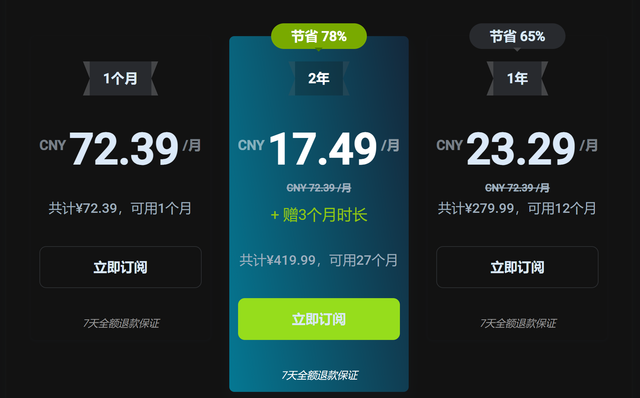
- NordVPN often runs promotions and bundles; check current deals on the NordVPN site
- ExpressVPN frequently offers quarterly and annual savings; look for promotions
- Surfshark has competitive pricing, especially with long-term plans
- ProtonVPN may offer free tiers with limited speed; for gaming, a paid plan is recommended
- PIA pricing is generally favorable with flexible options
Common myths about VPNs and cloud gaming debunked
- Myth: VPNs always add huge latency. Reality: you can minimize latency with nearby servers and proper settings; some VPNs optimize for gaming.
- Myth: You don’t need to test. Reality: latency and routing vary by network; testing multiple servers is essential.
- Myth: More encryption means better security for gaming. Reality: you want a balance; excessive encryption can add overhead that hurts latency.
Personal experiences and tips from real users
- A gamer in New York found a big improvement by using a nearby EU server with UDP enabled.
- Another user in Seattle reported stable performance using a nearby North American server with split tunneling.
- Some users notice that enabling obfuscated servers helps in regions with VPN blocking, though it can slightly increase latency.
Frequently Asked Questions 5 Best VPNs for Flickr Unblock and Bypass SafeSearch Restrictions
- What is XCloud? XCloud, now part of Xbox Cloud Gaming, lets you stream games from the cloud to your device.
- Can a VPN improve XCloud performance? Sometimes, through improved routing and less throttling; results vary by network.
- Which VPN has the lowest latency for gaming? It depends on your location; NordVPN and ExpressVPN often perform well for gaming, but test locally.
- Should I use split tunneling for gaming? Yes, to keep non-gaming traffic on your regular connection and reduce VPN overhead.
- Is UDP better than TCP for gaming? Generally yes for lower latency, but if you experience packet loss, try TCP.
- Do VPNs bypass geo-restrictions for XCloud? Some do, but it’s not guaranteed as services continually update blocks.
- Can VPNs cause disconnects in cloud gaming? It can happen if the VPN connection drops; ensure your VPN has a reliable kill switch.
- How do I test latency on a VPN? Use built-in speed tests, measure ping to the gaming server, and test in-game latency.
- Are there risks using a VPN with cloud gaming? VPNs protect privacy and can bypass blocks, but choose a trusted provider to avoid leaks.
- Do VPNs work on mobile devices for XCloud? Yes, most major VPNs have mobile apps for iOS and Android that support gaming.
Final notes
- Keep monitoring latency and switch servers if you notice degradation
- Use a trusted VPN with a history of gaming performance
- Pair VPN usage with a high-quality internet connection for best results
Useful URLs and Resources unlinked text
- Apple Website - apple.com
- Artificial Intelligence Wikipedia - en.wikipedia.org/wiki/Artificial_intelligence
- Microsoft Xbox Cloud Gaming - microsoft.com
- Cloud gaming latency basics - en.wikipedia.org/wiki/Video_game_latency
- VPN testing methods - mikedolbear.com/blog/vpn-latency-testing
Frequently asked questions expansion
- How do I know if a VPN is fast enough for XCloud? Look for latency tests from real users in your region, server proximity, and UDP support; avoid VPNs with frequent disconnects.
- Can I run XCloud and a VPN on the same network? Yes, but ensure your router supports VPN passthrough and your device can handle concurrent connections.
- Should I disable antivirus when using a VPN for gaming? Generally not necessary, but some security software can interfere with VPN connections; test with and without to see what works best.
- Will upgrading my internet plan improve VPN gaming performance? Yes, a faster and more stable internet connection helps reduce overall latency and improve throughput.
- How often should I test VPN performance for gaming? Test a few times per week, especially after ISP changes, VPN updates, or server changes.
- Can I use a free VPN for XCloud? Free VPNs usually have limited speed, data caps, and fewer server options; paid services are more reliable for gaming.
- Are there regions better for gaming with a VPN? Proximity matters; try servers in regions that have good peering with Xbox Cloud Gaming endpoints.
- Can I use VPN on my console for XCloud? Some routers allow VPN configuration to cover all devices; check your router’s capabilities.
- What about data caps? Some VPNs have data caps on free plans; ensure your plan offers enough data for gaming sessions.
- How do I know if the VPN is leaking my IP? Use an IP leak test while connected to the VPN to verify that your real IP is not exposed.
Sources:
Microsoft edge vpn extension reddit
Nordvpn Pricing and Plans Explained for 2026: What’s New, What to Choose, and How to Save Is vpn safe for cz sk absolutely but heres what you need to know
Is 1password a vpn what you need to know for better online security
如何挂vpn:完整指南、技巧與實用工具,讓你安全上網與加速跨區探索
电脑梯子:完整指南、实用工具与安全要点,VPN 策略全解