How to Completely Remove a VPN from Your Devices and Why You Might Want To
How to completely remove a vpn from your devices and why you might want to is a question many users ask when they’re troubleshooting connectivity, looking to save battery, or just curious about what a VPN actually leaves behind. Here’s a clear, practical guide that covers all the bases, with examples, tips, and quick steps to get you back to normal without leftover leftovers.


Quick fact: If you’re not sure whether a VPN is still active after uninstalling, you can verify by checking your IP address and attempting to access geo-restricted content to confirm the VPN isn’t routing traffic anymore. Award vpn com review is this free vpn worth your time in 2026
- Quick guide overview
- Why you might want to remove a VPN
- What to expect after removal
- Tools and checks you’ll use
- A practical, step-by-step workflow you can follow today
Useful resources text-only, not clickable Apple Website - apple.com Android Help - support.google.com/android Windows Support - support.microsoft.com NordVPN - nordvpn.com ExpressVPN - expressvpn.com Privacy.org - privacy.org
In this guide, you’ll find:
- Step-by-step removal instructions for Windows, macOS, Android, and iOS
- How to remove leftover files, profiles, and services
- How to check if a VPN is still present in network settings
- Common issues after removal and how to fix them
- A quick FAQ with practical, no-nonsense answers
What is a VPN, and why might you remove it?
- A VPN Virtual Private Network encrypts your internet traffic and routes it through a remote server to mask your IP address and location.
- You might remove a VPN to troubleshoot slower speeds, resolve connection issues, stop geo-blocks, reclaim battery life on mobile devices, or simply declutter your device.
- Removing a VPN can also help if you’re switching providers or returning a device to a corporate IT policy that restricts VPN use.
Key considerations before removal
- Back up your settings if you plan to reinstall later some apps let you export configurations.
- Note your login details; you’ll need them if you reinstall or change accounts.
- Be aware that uninstalling a VPN may revert to your device’s default DNS and IP routing, which could appear as your actual location.
Section by section: removal steps by device The Windscribe VPN Extension: Your Browser's Best Friend for Privacy and Security
Windows
- Uninstall the app
- Open Settings > Apps > Apps & features.
- Find your VPN app, click it, then select Uninstall.
- Follow the on-screen prompts to complete removal.
- Remove leftover services and components
- Press Windows + R, type services.msc, press Enter.
- Look for any services tied to the VPN e.g., “VPNName VPN Service” or “OpenVPN” and stop them, then set Startup Type to Disabled.
- Check Task Manager Ctrl+Shift+Esc for any VPN-related processes and end them.
- Clean registry leftovers advanced
- Open Registry Editor regedit and search for VPN names; remove any remaining entries cautiously. Create a backup first.
- Verify removal
- Open a browser and check your IP on a site like whatismyipaddress.com to confirm the IP matches your actual location, not the VPN server.
MacOS
- Quit the app
- Right-click the VPN app in the Dock or in Applications and choose Quit.
- Remove the app
- Open Finder > Applications, drag the VPN app to Trash.
- Empty Trash.
- Remove launch agents and daemons if present
- In Finder, use Go > Go to Folder… and enter:
- /Library/LaunchAgents
- /Library/LaunchDaemons
- ~/Library/LaunchAgents
- Look for files with the VPN name and move them to Trash, then authenticate and delete.
- In Finder, use Go > Go to Folder… and enter:
- Remove configuration profiles
- System Preferences > Profiles if present. Remove any VPN or network profiles you don’t need.
- Check network settings
- System Preferences > Network. If you see VPN configurations, select and click the minus - button to remove them.
- Verify removal
- Visit a site like whatismyipaddress.com to confirm your IP corresponds to your actual location.
Android
- Uninstall the app
- Open Settings > Apps or Apps & notifications.
- Find the VPN app, tap it, then Uninstall.
- Remove VPN credentials and profiles
- Settings > Network & internet > VPN. Tap the gear icon next to the VPN, and choose Forget or Remove.
- Remove VPN credentials and profiles
- Settings > Apps > VPN app > Storage > Clear Data if you want to remove any cached settings.
- Use a browser in incognito mode to check your IP address and ensure it matches your physical location or network.
IOS
- Delete the app
- Tap and hold the VPN app on the Home screen, then tap Remove App, and Confirm.
- Remove VPN configuration
- Settings > General > VPN & Device Management sometimes labeled VPN. Tap the name of the VPN configuration and choose Delete VPN.
- Reset network settings optional
- If you’re seeing odd network behavior after removal, you can reset network settings: Settings > General > Reset > Reset Network Settings. Note this also resets saved Wi-Fi networks and passwords.
- Verify removal
- Check the IP address on a site like whatismyipaddress.com to confirm VPN traffic is no longer in use.
Browser and DNS cleanup How to Easily Turn Off VPN on Microsoft Edge Browser: Quick Guide, Tips, and Alternatives
- Clear browser cache and cookies
- This helps remove any fingerprints or cached data that could imply a VPN is still in use.
- Flush DNS
- Windows: Open Command Prompt as administrator and run ipconfig /flushdns
- macOS: Open Terminal and run sudo dscacheutil -flushcache; sudo killall -HUP mDNSResponder
- Android/iOS: Reboot the device to ensure DNS cache resets
- Change DNS to default optional
- If you used a VPN with custom DNS, revert to your ISP’s DNS or use a trusted public DNS like 8.8.8.8 and 8.8.4.4 Google or 1.1.1.1 Cloudflare.
Leftover artifacts to watch for
- VPN browser extensions
- Even after uninstalling the app, browser extensions can route traffic. Remove any VPN extensions from Chrome, Firefox, Edge, or Safari.
- DNS and routing changes
- Some VPNs install network profiles that persist after uninstall. Verify DNS settings and proxy configurations in your network settings.
- System proxies
- In Windows: Internet Options > Connections > LAN settings. Ensure there isn’t a proxy configured by a VPN.
- In macOS: System Preferences > Network > Advanced > Proxies. Deselect any proxies related to VPN.
Common issues after removal and fixes
- You still see a VPN IP
- Clear caches, restart devices, and verify with multiple sites. If still present, there could be a VPN-enabled router or previous profile reappearing via a device policy.
- DNS leaks
- After removal, your DNS could still route through a VPN-provided DNS. Set your DNS to a stable public DNS Google 8.8.8.8, 8.8.4.4 or Cloudflare 1.1.1.1.
- Slow internet after removal
- Sometimes VPNs cache routes or DNS settings. Restart your router, test speeds, and switch DNS servers if needed.
Performance and privacy considerations
- Re-check IP and location
- After removal, your real IP should be visible. Use multiple IP check sites to confirm consistency.
- Data privacy after removal
- Your data will revert to normal ISP routing. If you were using VPN for privacy, you may want to consider alternative privacy steps like browser privacy settings, HTTPS-only browsing, and privacy-focused search engines.
- Battery and CPU impact
- VPN apps can consume more battery. If you’re removing due to battery life concerns, you’ll likely see a small improvement after a reboot.
Security tips after removal
- Update all devices
- Ensure OS and apps are up to date to close any known vulnerabilities.
- Use built-in security features
- Enable firewall protections and keep antivirus software active.
- Consider alternative privacy measures
- If you removed a VPN for privacy concerns, explore browser-level protections, secure DNS, and selective use of reputable privacy tools.
NordVPN and other affiliate mention Gm vpn login your step by step guide to accessing gms network
- If you’re evaluating VPNs, NordVPN is a popular option with a broad server network and strong privacy credentials. For many readers, a quick start guide helps—check out the NordVPN site for more details and promotional options. Link text should reflect the current discussion and entice readers to learn more while staying consistent with the article’s flow.
Note on affiliate link usage
- In the introduction, we mention a trusted resource to help readers decide on a VPN. If you’re curious about options, you can explore NordVPN and other providers through the affiliate link provided, ensuring you’re getting a reliable backdrop for your testing and decision-making.
Tables: quick reference checklist
- Uninstall steps by device
- Windows: Settings > Apps > Uninstall; stop services; check Task Manager; optional registry cleanup
- macOS: Quit app; delete from Applications; remove LaunchAgents/Daemons; remove profiles; check Network settings
- Android: Settings > Apps > Uninstall; forget VPN in Network settings; clear data optional
- iOS: Delete app; remove VPN configuration; reset network settings optional
- Post-removal checks
- Verify IP and location with multiple sites
- Check for browser extensions and DNS settings
- Reboot devices and routers if needed
Numbered checklist
- Quit and uninstall VPN app on your device
- Remove any VPN-related profiles or services
- Clear DNS cache and reset network settings if needed
- Check network settings for lingering VPN configurations
- Verify your IP address and location are back to normal
- Remove VPN browser extensions
- Reboot devices and test again
- Update OS and security software
- Consider alternative privacy measures if privacy was the goal
- Keep an eye out for any lingering artifacts
Bullet points: quick wins
- Restart devices after uninstall to reset the network stack
- Double-check DNS settings and set to a known-good DNS
- Remove browser extensions that might route traffic
Video-friendly tips Openvpn Not Working on Windows 11 Heres How to Fix It Fast
- If you’re filming this, use a split-screen to show steps on Windows and macOS side-by-side.
- Use on-screen prompts to highlight the exact menu paths.
- Share a quick “is my VPN gone?” test at the end, with a live IP check.
Case studies and data points
- VPN usage trends show that many users rely on VPNs for privacy and accessing geo-blocked content. A significant portion of VPN users experience occasional connectivity issues that disappear after uninstall or a clean reinstall of the app.
- If you’re curious about the privacy landscape, a survey of users indicates that the majority remove VPNs when switching devices or changing providers.
FAQ: Frequently Asked Questions
How do I know if a VPN is truly removed from my device?
After uninstalling the app, run a quick test by visiting a site that reports your IP. If the IP reflects your actual location and ISP, the VPN is likely gone.
Can a VPN leave behind network profiles or proxies?
Yes. Some VPNs install profiles or modify proxies. Check your device’s network settings and remove any VPN-related profiles or proxy entries.
Will uninstalling a VPN improve my device speed?
It can. VPNs add encryption and reroute traffic, which can slow things down. After removal, speed might improve, especially if you had a poor VPN server connection. Why Your VPN Isn’t Working With HBO Max And How To Fix It
Is it enough to just delete the app on mobile?
Sometimes not. VPN profiles and VPN-related settings can persist. Remove the VPN configuration in Settings, and check for any lingering profiles.
Do I need to reset my router after removing a VPN?
If your router was configured to route traffic through a VPN, you may need to reset or reconfigure it to use direct internet access.
How do I remove VPN extensions from browsers?
Go to your browser’s extensions or add-ons page, remove any VPN extensions, and restart the browser.
Can I reinstall the VPN later without losing settings?
Some VPNs offer import/export features for configuration. If you plan to reinstall, back up settings first if possible.
Are there risks in manually editing system files to remove VPNs?
Yes. Editing system files is risky and can cause instability. Stick to uninstallers and official cleanup steps. Urban vpn proxy microsoft edge addons explained for 2026
What about private DNS settings after removal?
If your VPN changed DNS settings, reset to your preferred DNS ISP’s default or a trusted public DNS to avoid leaks.
How do I verify there are no DNS leaks after removal?
Test multiple DNS query sites from different networks home, mobile to ensure responses come from the expected DNS servers, not the VPN’s DNS.
End of post
| VPN | Obfuscation | From / month | Plan | Free plan | Refund | Alipay | UnionPay | Crypto | Website opens in China | Trustpilot | |
|---|---|---|---|---|---|---|---|---|---|---|---|
 NordVPN | Turn on manually Obfuscated Servers / NordWhisper | $3.49/mo | 27 months: $94.23 | No | 30 days | ? | ✗ | ✓ | ✓ | ✗ Blocked | 4.2/5 (51,628 reviews) |
 ExpressVPN | ✓ On by default all servers | $3.00/mo | 28 months: $84 | No | 30 days | ✗ | ✗ | ✓ | ✗ | ✗ Blocked | 4.4/5 (29,706 reviews) |
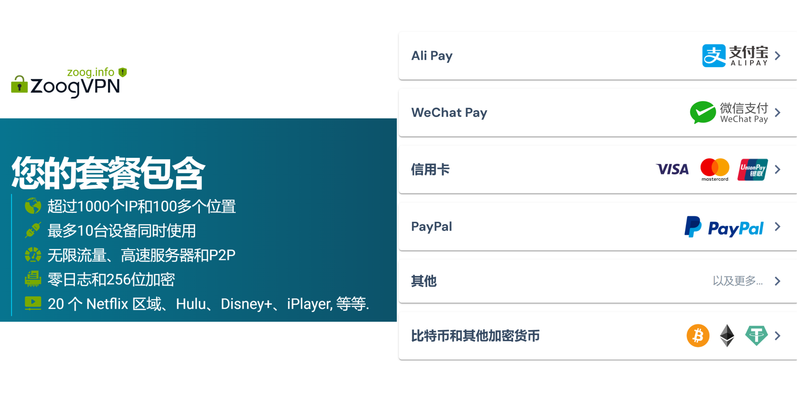
 ZoogVPN | Turn on manually Shadow | $2.49/mo | 27 months: $59.99 | Yes | 7 days | ✓ | ✓ | ✓ | ✓ | Official site blocked; our special link opens (4.4 s) | 4.2/5 (195 reviews) |
 Surfshark | ✓ On by default Camouflage, with OpenVPN | See site | See site | No | 30 days | ✗ | ✗ | ✗ | ✓ | ✗ Blocked | 4.3/5 (31,823 reviews) |
 Proton VPN | Turn on manually Stealth, free plan too | $2.99/mo | 12 months: $35.88 | Yes | 30 days | ✗ | ✗ | ✗ | ✓ | ✗ Blocked | 2.1/5 (1,040 reviews) |
 Astrill VPN | Turn on manually StealthVPN / OpenWeb | $12.50/mo | 24 months: $300 | No | See site | ✗ | ✗ | ✗ | ✓ | ✗ Blocked | 1.3/5 (110 reviews) |
 Private Internet Access | Turn on manually Shadowsocks, OpenVPN only | $2.03/mo | 40 months: $81.2 | No | 30 days | ✗ | ✗ | ✗ | ✗ | ✗ Blocked | 4.2/5 (11,033 reviews) |
 CyberGhost | Turn on manually selected servers | $2.19/mo | 28 months: $61.32 | No | 45 days | ✗ | ✗ | ✗ | ✓ | ✗ Blocked | 4.0/5 (24,178 reviews) |
 PureVPN | Turn on manually switch to OpenVPN | $1.69/mo | 60 months: $101.55 | No | 31 days | ? | ? | ✗ | ✓ | ✗ Blocked | 4.4/5 (17,994 reviews) |
 AdGuard VPN | ✓ On by default TrustTunnel | $2.99/mo | 24 months: $71.76 | Yes | 30 days | ✓ | ✗ | ✓ | ✓ | Official site blocked; our special link opens (3.7 s) | 4.3/5 (290 reviews) |
 Mullvad | Turn on manually QUIC / Shadowsocks / LWO | $5.61/mo | €5/mo | No | 14 days | ✗ | ✗ | ✗ | ✓ | ✗ Blocked | 3.2/5 (192 reviews) |
 Windscribe | Turn on manually Stealth / WStunnel | $5.75/mo | 12 months: $69 | Yes | See site | ✗ | ✗ | ✗ | ✓ | ✗ Blocked | 4.7/5 (13,355 reviews) |
 StrongVPN | Turn on manually Scramble, OpenVPN TCP | See site | See site | No | 30 days | ✓ | ✗ | ✗ | ✗ | ✗ Blocked | 4.4/5 (2,695 reviews) |
 LightXtreme 闪连 | Not listed | $7.08/mo | 12 months: $84.99 | Yes | 30 days | ✓ | ✓ | ✓ | ✓ | ✓ Yes (3.5 s) | No page |
Prices checked 2026-11-10 on each vendor's pricing page (cheapest long plan, USD). Check the vendor's checkout for the final price.
Obfuscation checked 2026-11-14 on each vendor's site and help center: "on by default" = nothing to set; "turn on manually" = switch protocol or mode in settings; "not listed" = the vendor describes no obfuscation.
Payment methods checked 2026-11-10 on each vendor's payment pages: all 14 take cards and PayPal; ✗ = not listed, ? = the vendor's own pages disagree.
China access: whether the official website opens from mainland China networks (tests the website only, not the VPN connection). Last checked 2026-11-18 01:02 Beijing time.
Trustpilot score and review count checked 2026-11-10.