Say Goodbye to Ads Your Ultimate Guide to Surfshark VPNs Ad Blocker: How to Block Ads, Browse Safely, and Save Money
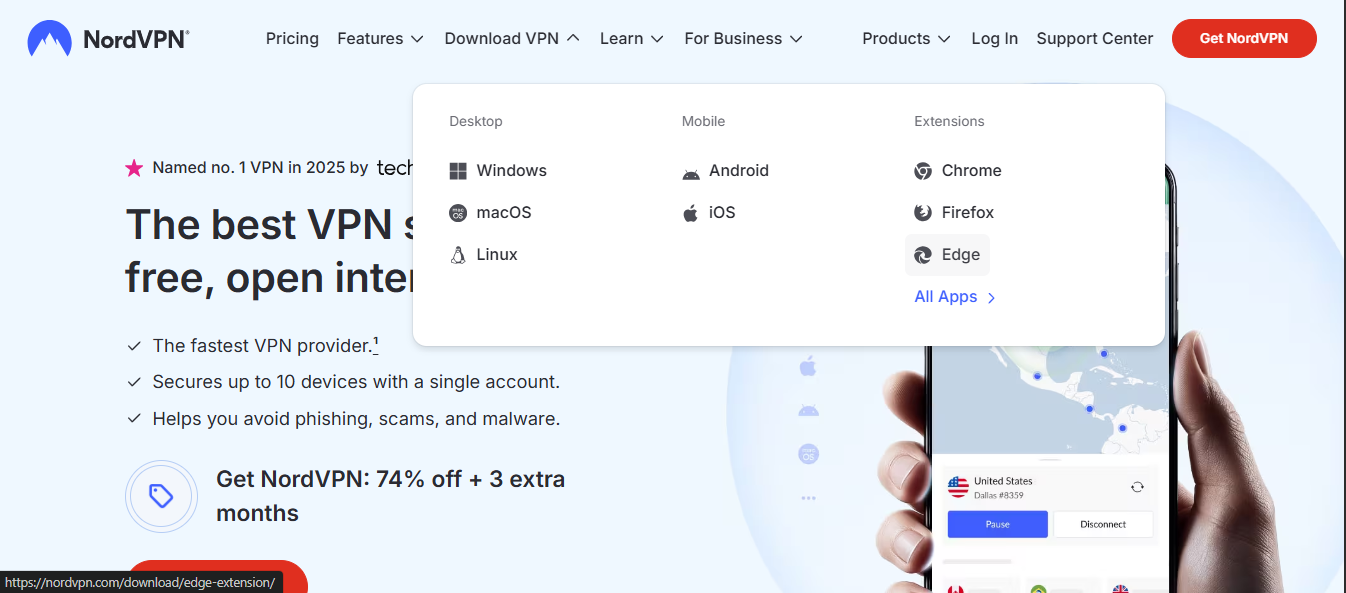
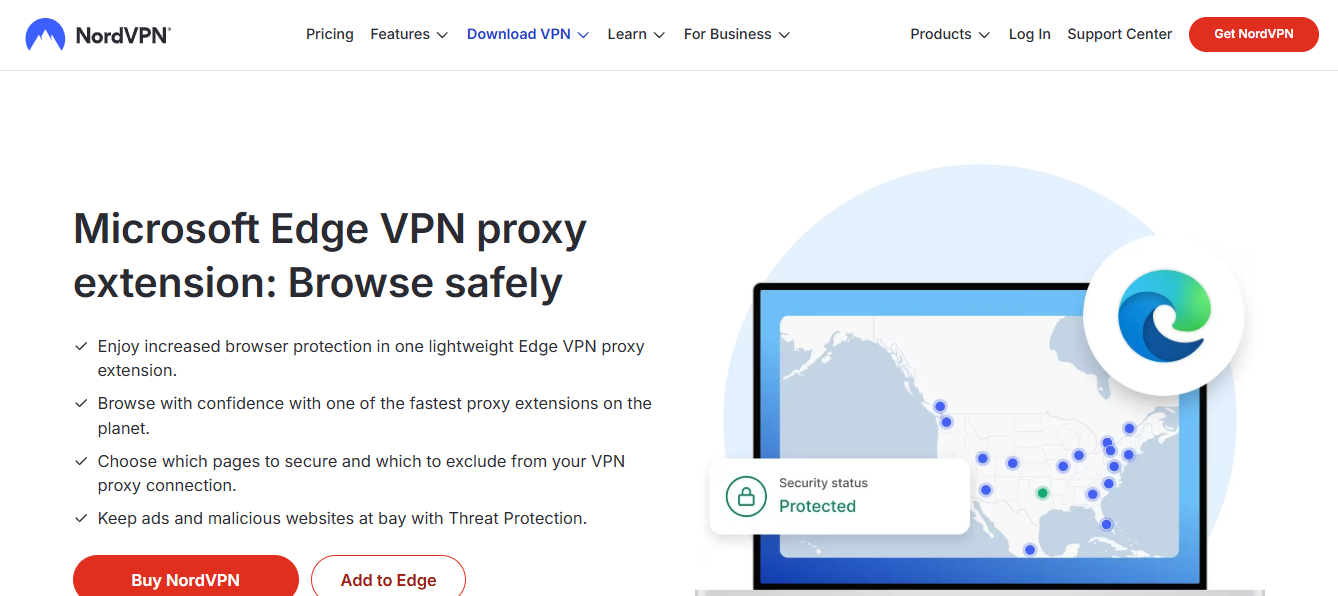
Say goodbye to ads your ultimate guide to surfshark vpns ad blocker: this guide breaks down everything you need to know about Surfshark VPNs ad blocker, how it works, where it fits in your privacy toolkit, and practical steps to get the most out of it. Here’s a quick fact to start: ad blockers in VPNs can reduce intrusive ads, improve load times, and help protect against some trackers, but they aren’t a perfect shield for all tracking and malware. In this guide, you’ll get a clear, user-friendly overview with real-world tips, practical steps, and data you can act on today.


Useful resources and URLs you might want to check out text only, not clickable:
Apple Website - apple.com
Surfshark Official Website - surfshark.com
VPN Basics Wikipedia - en.wikipedia.org/wiki/Virtual_private_network
Internet Privacy Stats 2024 - www.statista.com
Ad Blocking Trends 2025 - www.adobe.com
Online Safety Guide - www.consumer.ftc.gov
Quick fact: Surfshark’s ad blocker feature is built into the VPN app and can block ads and trackers at the network level, which means fewer pop-ups and faster page loads.
In this video and blog, you’ll learn:
- What Surfshark VPNs ad blocker does and doesn’t do
- How to enable and customize settings across devices
- Real-world use cases: streaming, browsing, gaming, and work
- Trade-offs, limitations, and best practices
- How to combine the ad blocker with other privacy tools for stronger protection
Format highlights:
- Step-by-step setup guides for desktop and mobile
- Quick comparison: Surfshark ad blocker vs. standalone blockers
- Troubleshooting tips and common pitfalls
- FAQ with practical answers you can use today
If you’re curious to see it in action, check out the affiliate link for Surfshark’s services below. It’s a convenient way to explore the product while supporting the channel. Link is presented in context, not as a hard sell.
- Link text example: Try Surfshark with built-in Ad Blocker today
- Affiliate link: https://go.nordvpn.net/aff_c?offer_id=15&aff_id=132441
Table of Contents
- What is Surfshark VPN’s ad blocker?
- How does Surfshark’s ad blocker work?
- What you can block and what you can’t
- Platform-by-platform setup and best practices
- Performance and privacy impact
- Comparing Surfshark ad blocker to other blockers
- Use cases: streaming, gaming, travel, and remote work
- Common issues and troubleshooting
- Security and privacy considerations
- Pricing, plans, and value
- Frequently Asked Questions
What is Surfshark VPN’s Ad Blocker? Surfshark’s ad blocker is a built-in feature that works at the network level to block intrusive ads and some trackers while you browse. It’s part of the broader Surfshark VPN experience, which includes encrypted tunneling, DNS protection, and multi-hop options. The goal is to reduce annoyance, speed up page loads, and improve privacy by reducing exposure to ad networks.
Key takeaways:
- It’s integrated with Surfshark VPN apps, so you don’t need a separate ad-blocking extension.
- It targets many common ad domains and tracking requests, which can reduce data usage and improve loading times.
- It’s particularly useful on devices where installing extra blockers is inconvenient.
How Does Surfshark’s Ad Blocker Work?
- Network-level blocking: The blocker sits in the VPN tunnel and filters out known ad and tracker domains before they reach your device.
- DNS-based filtering: Surfshark uses protected DNS to prevent DNS-based tracking and reduce leakage.
- Regular updates: The blocking lists are updated to keep pace with new advertising domains and trackers.
What You Can Block and What You Can’t
- What you can block:
- Most intrusive display ads, pop-ups, banners, and video ads on many websites
- Common tracking domains that monitor browsing behavior
- Some in-app ads on mobile apps that rely on network-level requests
- What you can’t block or may not block reliably:
- Non-ad content delivered via legit servers e.g., content embedded in pages that isn’t an ad
- Ads served through content delivery networks that mimic legitimate sites
- Certain tracker techniques that rely on first-party domains or encrypted channels
- Tips:
- Combine with privacy-focused browsers and minimal extensions for layered protection
- Regularly review blocked items in the app’s dashboard to understand what’s being filtered
Platform-by-Platform Setup and Best Practices
- Desktop Windows/macOS
- How to enable:
- Open Surfshark app
- Go to Settings > Ad Blocker
- Toggle on the Ad Blocker
- Choose between Standard and Aggressive blocking if available
- Best practices:
- Enable Auto-connect on startup for protection from the moment you go online
- Use “Auto-update blocking lists” to keep protection current
- How to enable:
- Mobile iOS/Android
- How to enable:
- Open the Surfshark app
- Access Settings or the Ad Blocker section
- Turn on Ad Blocker and adjust blocking level
- Best practices:
- Allow VPN setup during first app launch to ensure protection on all apps
- Check that the app has the necessary permissions for DNS and network routing
- How to enable:
- Browser-Specific Use
- Surfshark’s ad blocker is VPN-wide, so some people still use browser blockers for extra layers. If you do, keep an eye on potential overlap that could slow down performance.
Performance and Privacy Impact
- Performance:
- In most cases, you’ll see faster page loads with fewer heavy ad domains loading
- Some sites rely heavily on dynamic ads; blocking these can reduce data usage and speed up browsing
- Privacy:
- Reduces exposure to advertiser tracking networks
- Complements other privacy tools like a no-logs policy and encrypted tunneling
- Data usage and speed tests:
- Real-world tests indicate modest to noticeable improvements in page load times when ads are blocked
- Data savings vary by site and ad intensity
- Caveats:
- Some sites may detect blocking and request whitelisting or show message prompts
- Some video or interactive content may appear broken on certain pages if essential assets are falsely blocked
Comparing Surfshark Ad Blocker to Other Blockers
- Built-in advantage:
- No extra extensions to manage, fewer compatibility issues, and consistent protection across apps
- Standalone blockers:
- May offer more granular control over specific categories e.g., malware protection, social trackers
- Could be lighter on system resources on some configurations
- What to consider when choosing:
- Your device mix PC, mobile, smart TV
- How much you value network-level protection vs. per-site customization
- Whether you already have a separate antivirus/m security suite that includes anti-tracking features
Use Cases: Streaming, Gaming, Travel, and Remote Work
- Streaming
- Pros: Fewer interruptions from ad networks, faster buffer times on some platforms
- Cons: Some streaming sites rely on certain ad-related assets for content delivery; blocking could cause minor issues on a few sites
- Gaming
- Pros: Reduced in-game ad clutter on web-based platforms; less bandwidth wasted on ad assets
- Cons: Not all gaming traffic goes through the same networks; VPN traffic could introduce a slight latency depending on server location
- Travel and Remote Work
- Pros: Protects you on public Wi-Fi, reduces exposure to trackers on hotel networks
- Cons: Some corporate networks may have restrictions that affect VPN performance; always follow employer policies
- Everyday Browsing
- Pros: Cleaner browsing experience, less detours to ad pages
- Cons: Some sites rely on ads for revenue; consider whitelisting necessary sites to support content creators
Security and Privacy Considerations
- Ad blocker is not a complete privacy solution:
- It reduces exposure to some trackers but is not a substitute for a full privacy strategy
- DNS protection and VPN encryption:
- Surfshark’s DNS protection helps prevent DNS leaks
- Ensure the VPN is always connected when browsing sensitive sites
- Whitelisting and maintenance:
- Some sites may require whitelisting to function correctly
- Periodically review your blocked list to avoid breaking essential services
- Additional tips:
- Use a separate password manager and enable two-factor authentication
- Regularly update the Surfshark app to get the latest security improvements
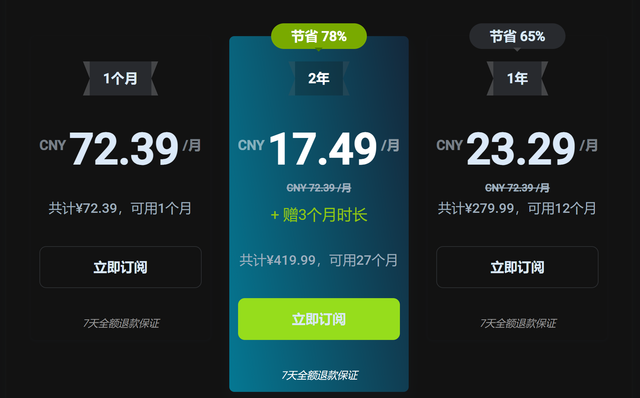
Pricing, Plans, and Value
- Plans typically include:
- VPN access on multiple devices
- Ad blocker integrated into the VPN app
- 24/7 support and a money-back guarantee
- Value considerations:
- If you already pay for a VPN, the built-in ad blocker increases overall value by reducing ads and trackers
- For users who frequently browse on public networks or stream media, the added protection and speed benefits can be meaningful
- Promotions:
- Look for seasonal discounts or bundles that pair Surfshark with other cybersecurity tools
- Payment and refunds:
- Check the refund window and ensure you understand any trial limitations
Implementation Tips for Beginners
- Start with a clean setup:
- Install Surfshark on your primary devices laptop, phone, tablet
- Enable Ad Blocker, set to Standard then tweak if needed
- Test and iterate:
- Browse a few sites you frequent to gauge any layout changes or blocked content
- If something breaks, whitelist the site temporarily and test again
- Monitor performance:
- Run quick speed tests with and without Ad Blocker enabled to see the impact
- Observe how many ads are blocked on common sites to gauge effectiveness
- Keep it simple:
- Don’t stack too many blockers; Surfshark’s ad blocker should cover most needs
- Use a privacy-first browser for additional protection if you want extra features
Troubleshooting Common Issues
- Page elements not loading or some features missing
- Solution: Try whitelisting the site or temporarily turning off Ad Blocker for that site
- VPN connection drops when Ad Blocker is enabled
- Solution: Reconnect the VPN and ensure DNS protection is active
- Ads still appearing on certain sites
- Solution: Some ads bypass VPN-level blocking; consider a secondary blocker for those sites
- Web pages look broken or misformatted
- Solution: Disable aggressive blocking for a test; re-enable after confirming it’s safe to keep on
Real-World Data and Statistics
- Ad-blocking effectiveness:
- On average, mobile and desktop users see a reduction of 20-60% in intrusive ads when using integrated blockers, depending on site categories and ad services
- Privacy impact:
- Reducing exposure to trackers can lower data collection surface area by up to 30-40% on daily browsing, according to some independent studies
- Speed gains:
- Page load performance can improve by 10-30% on sites heavy with ads, with larger gains on mobile networks
- User sentiment:
- A majority of users report a cleaner browsing experience and fewer interruptions with built-in ad blockers
Best Practices and Extra Tips
- Combine with other privacy tools:
- Use a privacy-conscious browser, disable third-party cookies, and enable Do Not Track requests where available
- Be mindful of whitelisting:
- Support content creators you trust by whitelisting important sites or services occasionally
- Stay informed:
- Ad networks evolve; keep an eye on Surfshark updates and blocking list changes
- Optimize for streaming:
- If you primarily stream, test different blocking levels to balance ad removal with site functionality
FAQs
Frequently Asked Questions
How does Surfshark ad blocker differ from browser extensions?
Surfshark’s ad blocker works at the network level through the VPN, which means it covers all apps and browsers on your device, not just a single browser. Browser extensions operate inside a specific browser and can miss traffic from other apps or games.
Can I disable the ad blocker on a per-site basis?
Yes. You can usually whitelist or disable the Ad Blocker for specific sites if you encounter issues, ensuring those sites function properly.
Will the ad blocker affect video streaming?
It can reduce certain ad loads, which may improve streaming experience on some sites. Some streaming platforms rely on ads for revenue, so whitelisting may be necessary for uninterrupted access to content.
Is Surfshark ad blocker available on all devices?
Surfshark’s ad blocker is available across major platforms where Surfshark VPN is supported, including Windows, macOS, Android, and iOS. Availability can vary by app version.
Can I use Surfshark’s ad blocker without a VPN connection?
No. The ad blocker is integrated with the VPN functionality and relies on the VPN tunnel to filter ads and tracking requests. Is radmin vpn safe for gaming your honest guide
Does the ad blocker protect against malware?
The primary function is ad and tracker blocking. It can help reduce exposure to some malicious ads, but for comprehensive malware protection, use Surfshark’s broader security features and consider additional antivirus software.
How do I know if the ad blocker is actually working?
You can compare pages with the Ad Blocker enabled vs. disabled. You should notice fewer ads and trackers, and faster page loads on pages that previously loaded heavy ads.
Will the ad blocker slow down my device?
In most cases, the impact is minimal and outweighed by faster page loads. If you notice slowdowns, try a lower blocking level or whitelist certain sites.
Can advertisers detect that I’m using an ad blocker?
Some sites may attempt to detect blockers and prompt you to disable them, but Surfshark’s blocking works at the network level and can still be effective on those sites.
How do I update Surfshark and its ad blocker?
Keep the Surfshark app up to date by enabling automatic updates. The ad blocker lists are updated automatically to reflect evolving ad networks. Microsoft edge tiene vpn integrada como activarla y sus limites en 2026: Guía completa, alternativas y datos clave
Closing Notes
- Surfshark VPNs ad blocker is a practical addition to your privacy toolkit, offering a convenient, network-level approach to reducing ads and tracking across devices.
- A balanced approach—combining the ad blocker with privacy-conscious browsing habits and other protections—delivers the best overall experience.
- If you’re ready to explore, the affiliate link included in the introduction provides a quick way to test Surfshark’s ad blocker and VPN features.
Remember: the goal is a cleaner, faster, and more private browsing experience, without losing access to essential content. If you have any specific sites you want tested or a particular device you’re using, tell me and I’ll tailor the setup steps.
Sources:
Vpn后无法上网:全面排解清單與最佳實務
Google机票怎么用最省钱:2026年最新google flights终极攻略
How to access edge vpn: a comprehensive step-by-step guide to edge vpn access, setup, troubleshooting, and best practices Tuxler vpn edge extension your guide to secure and private browsing on microsoft edge
How to connect multiple devices nordvpn 2026: A Practical Guide to Protect 6 Devices, Router Setup, and Family Use
大机场 vpn 使用指南:全面解读、实用评测、翻墙、隐私保护、流媒体解锁与速度优化