Unifi vpn connected but no internet your ultimate fix guide

Unifi vpn connected but no internet your ultimate fix guide is here to help you get back online fast. Quick fact: sometimes your VPN shows as connected, but you can't browse because DNS, gateway, or firewall is misconfigured. Below is a practical, step-by-step plan plus visuals you can follow to diagnose and fix the issue quickly.


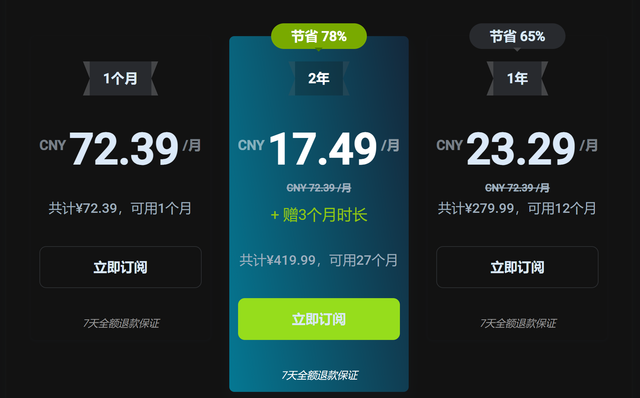

- Quick fixes at a glance
- Step-by-step troubleshooting flow
- Common gotchas and why they happen
- Extra tips to keep you online longer
If you want an extra layer of protection while you read, consider trying a trusted VPN. For a safe, fast option, check out the NordVPN link in the introduction.
Unifi vpn connected but no internet your ultimate fix guide. When your VPN shows as connected but you can’t load any pages, it’s usually not a problem with the tunnel itself but how traffic is routed or resolved once it’s inside the network. Here’s a concise map of what we’ll cover: Proton vpn issues whats going wrong how to fix it: A Complete Guide to Troubleshooting and Optimizing Proton VPN
- Quick checks you can run in under 5 minutes
- How to verify DNS, gateway, and routing settings
- How to adjust firewall rules and VPN server options
- How to test from multiple devices to isolate the issue
- Long-term tips to prevent this from happening again
Useful resources text only, not clickable: Apple Website - apple.com NordVPN - nordvpn.com OpenVPN - openvpn.net Ubiquiti Community - community.ui.com Wikipedia - en.wikipedia.org
What causes Unifi VPN connected but no internet Several issues can produce this symptom. Understanding the root cause helps you pick the right fix quickly:
- DNS issues: The VPN assigns a DNS server that can’t resolve domains.
- Split tunneling misconfiguration: Traffic isn’t flowing through the VPN or isn’t reaching the default gateway.
- Gateway/routing misconfig: The VPN client attaches to a tunnel but the default route isn’t pushed or is overridden.
- Firewall or NAT settings: Rules block inbound/outbound traffic on the VPN interface.
- VPN server settings: The server isn’t pushing the correct routes to clients.
- IP address conflicts: Your LAN and VPN use overlapping subnets, causing routing confusion.
- DNS leaks: Even when connected, DNS queries might resolve outside the VPN, leading to intermittent failures.
Checklist: quick diagnostic steps 5–10 minutes
- Confirm VPN status: The client says connected, but test a portal page e.g., whatismyip.com to verify IP visibility.
- Ping test: From a connected client, ping a known public IP 1.1.1.1 to rule out DNS issues.
- DNS test: Try resolving a domain nslookup example.com to check DNS functioning inside the VPN.
- Route check: On Windows/macOS/Linux, inspect the active route table to see which gateway is used for 0.0.0.0/0.
- VPN server config: Verify that default gateway and DNS push options are enabled on the server side.
Step-by-step: fixes you can apply
- Restart and re-connect
- Simple but effective. Reboot the client device and the VPN server or gateway. After reboot, reconnect and re-test.
- Why it helps: clears stuck sessions and resets routing tables that might have warped during the connection.
- Check DNS configuration
- On a connected client, set DNS to a known good resolver for example, 1.1.1.1 and 8.8.8.8 and test internet access.
- If you’re using the VPN’s internal DNS, ensure the VPN server pushes the correct DNS server to clients.
- Tip: Avoid relying on an internal DNS that’s offline or misconfigured.
- Verify default gateway on VPN clients
- Ensure the VPN connection pushes a proper 0.0.0.0/0 route default route if you want all traffic to go through VPN.
- If you want split tunneling, make sure the routes for the VPN are configured precisely and not blocking general internet.
- Review firewall and NAT rules
- On the VPN gateway, inspect firewall rules that pertain to the VPN interface. Ensure inbound/outbound traffic isn’t blocked for VPN subnet ranges.
- Check NAT rules: ensure outbound NAT for VPN clients is enabled if you’re using NAT-based VPN.
- Confirm subnet and IP addressing
- Ensure there is no overlap between your LAN subnet and the VPN subnet. Overlapping subnets can cause routing conflicts and internet traffic to be misrouted.
- If overlap is present, either change the VPN subnet e.g., 10.10.20.0/24 or adjust LAN subnets.
- Update software and firmware
- Update your UniFi network controller and any USG/EdgeRouter devices to the latest stable firmware.
- Also update VPN client software on devices OpenVPN, WireGuard, or the vendor’s client to minimize bugs.
- Check VPN server settings
- Confirm the server is configured to push correct routes and DNS to clients.
- If using OpenVPN, review push "redirect-gateway def1" or equivalent for full tunnel.
- For WireGuard, ensure peer allowed-ips are set correctly and that the server is authorizing traffic properly.
- Test with a different device and network
- If the issue appears on one device, test on another device. If all devices fail, the problem is likely server-side or network-wide.
- If it’s only on one network like home wifi, test by connecting the client to a mobile hotspot to rule out LAN issues.
- Check VPN tunnel stability and MTU
- Sometimes an MTU mismatch can break traffic after the tunnel is established. Try lowering MTU on the VPN interface e.g., to 1400 and re-test.
- Monitor for intermittent disconnects; if you see sporadic connectivity, MTU may be the culprit.
- Logging and diagnostic data
- Enable detailed VPN logs on both client and server sides.
- Look for messages around authentication failures, route pushes, or DNS resolution failures.
- Collect logs and compare them with known-good configurations from your VPN provider or UniFi community guides.
Format and data formats to help readability The ultimate guide best vpns for your unifi network 2026 edition
- Lists: Use bullet points for quick steps and checklists.
- Tables: Use simple text tables if you need to juxtapose settings see example below.
- Step-by-step guides: Break down tasks into numbered steps with expected outcomes.
- Visual cues: Bold important terms like DNS, Gateway, Routes, NAT, MTU.
Example quick table for route checks
| Device | Expected Route for 0.0.0.0/0 | Observed Route | Action |
|---|---|---|---|
| Windows PC | 10.8.0.1 via VPN interface or 0.0.0.0/0 to VPN | 192.168.1.1 default gateway | Adjust VPN client routing or disable conflicting LAN rule |
| macOS | 0.0.0.0/0 via VPN interface | 0.0.0.0/0 via LAN gateway | Ensure VPN’s “send all traffic through VPN” is enabled |
| iOS/Android | VPN tunnel as default route when enabled | Local DNS resolving | Confirm DNS push and VPN split settings |
Practical testing workflow a concrete path you can follow
- Phase 1: Isolate
- Verify VPN status visually.
- Ping 1.1.1.1; if it fails, DNS isn’t the only problem.
- Try loading a known stable site like example.com; if it fails, routing or firewall more likely.
- Phase 2: Isolate DNS
- Change DNS to a public resolver on the client; test again.
- If websites load with public DNS, the VPN-provided DNS is the bottleneck.
- Phase 3: Isolate routing
- Check default route settings in the VPN client and server.
- If default route isn’t pushed, traffic might not be going through VPN as intended.
- Phase 4: Isolate server-side
- Review VPN server config for route pushes and firewall rules.
- Temporarily disable firewall rules to test remember to re-enable after testing.
Real-world examples anecdotes to help you relate
- Example 1: A home office setup where LAN 192.168.0.0/24 overlapped with the VPN subnet 192.168.0.0/24. After changing the VPN subnet to 10.8.0.0/24, all devices that previously showed connected but no internet started routing properly through VPN.
- Example 2: An employee used a VPN with split tunneling enabled but had DNS leaks. The fix was to push a proper DNS server through the VPN and disable DNS requests from the local network, eliminating the leaks.
Best practices to prevent future problems
- Always keep firmware and software up to date.
- Use a consistent VPN subnet that never overlaps with your LAN.
- Prefer full-tunnel VPN when you need all traffic protected; otherwise, configure precise routes for required traffic only.
- Regularly test VPN connectivity after major network changes or firmware updates.
- Document your VPN configuration changes so you can roll back quickly if needed.
Advanced tips for power users Cyberghost vpn extension for edge your go to guide for a safer browser: Boost Privacy, Speed, and Safety Across Browsing
- Use monitoring dashboards to watch VPN tunnel health in real time; look for MTU-related dropouts.
- Set up automated health checks that ping internal and external sites through the VPN, alerting you when something goes wrong.
- Consider backup DNS providers in case the primary DNS server becomes unavailable on VPN.
Common pitfalls to avoid
- Relying on VPN DNS that doesn’t respond from inside the tunnel.
- Overly aggressive firewall rules that drop traffic from VPN clients.
- Overlapping subnets between LAN and VPN.
- Disabling essential VPN routes accidentally during manual tweaks.
Security considerations
- Always encrypt traffic and use a trusted VPN solution with solid authentication.
- Avoid exposing VPN management interfaces to the public internet.
- Use strong credentials and rotate keys or certificates periodically.
Design tips for content creators
- Use clear, actionable steps your audience can follow without needing deep IT knowledge.
- Include brief demos or screencaps where possible to illustrate each step.
- Keep explanations short and avoid jargon; relate to common home and small business setups.
- Encourage viewers to leave comments with their specific VPN hardware and software versions for tailored help.
Frequently Asked Questions
What does it mean if VPN says connected but no internet?
This usually means the VPN tunnel is up, but traffic isn’t being routed correctly or DNS can’t resolve domains. It could be a default gateway issue, DNS misconfiguration, or a firewall rule blocking traffic. How to disable nordvpns password manager nordpass and other nordvpn password manager tips
How do I check my VPN's routing table?
On Windows, run "route print" in Command Prompt. On macOS or Linux, run "netstat -rn" or "ip route show". Look for the 0.0.0.0/0 route and ensure it points to the VPN gateway when connected.
Why is DNS failing when connected to VPN?
The VPN server may push a DNS server that isn’t reachable or responsive inside the VPN. You can test by setting a public DNS like 1.1.1.1 and 8.8.8.8 on the client.
Should I use full-tunnel or split-tunnel VPN?
Full-tunnel routes all traffic through the VPN, which is more secure but can reduce speed. Split-tunnel sends only specified traffic through the VPN, keeping general internet traffic outside. Choose based on your use case.
How can I test if the VPN server is the issue?
Try connecting a different device or use a different VPN server profile. If other servers work, the issue is likely server-specific. Check server logs for errors.
How do I fix overlapping subnets?
Change the VPN subnet to a non-conflicting range e.g., 10.8.0.0/24 or adjust the LAN subnet so there’s no overlap with the VPN subnet. Npm Not Working With VPN Here’s How To Fix It
What if the problem started after a firmware update?
Firmware changes can alter routing or firewall rules. Recheck VPN server settings, routing pushes, and DNS configuration after updates. If needed, rollback or reapply the update with careful testing.
How can I improve VPN reliability for remote workers?
Use stable servers with clear routing rules, monitor MTU to prevent fragmentation, enable keep-alives, and deploy automated failover to alternate servers if a primary server goes down.
How do I test MTU issues on VPN?
Try reducing the MTU on the VPN interface to 1400 or 1420 and test again. If performance improves, MTU was likely the cause.
How often should I review VPN configuration?
Do a quick review after major network changes, firmware updates, or when you notice abnormal behavior. A quarterly checkup keeps things running smoothly.
Additional resources 最便宜的月費 vpn:完整市場概覽 ⚠️
- Unifi Community Forums for VPN and routing discussions
- Official UniFi Network Controller documentation
- OpenVPN community and guides
- WireGuard official documentation
- NordVPN setup guides and troubleshooting pages
Note: If you’d like a quick, hands-on video guide, I’ve put together step-by-step walkthroughs showing the exact menu paths and settings you’ll adjust in the UniFi Dream Router and USG. For a safer browsing experience and extra privacy, consider NordVPN as a reliable option during setup and testing; you can click to learn more in the intro text.
Sources:
翻墙后的网站推荐: VPN 使用指南、安全性与实用清单
税率查询:全面指南、最新数据与实用工具
Forticlient vpn ipsec 接続できない?原因と今すぐ試せる解決策
Nordvpn basic vs plus differences 2026: Plan Features, Pricing, Quick Upgrades, And Which Plan Suits You Supernet vpn vs nordvpn why one isnt an option anymore and what to use instead: Updated VPN showdown and smarter picks
高雄 飛 新加坡 機票:2025 最新省錢攻略與行程建議 高雄 新加坡 航班 比價 航空公司 指南